Tuberculosis (TB) remains one of the world’s deadliest infectious diseases, responsible for more than a million deaths each year and continuing to pose a major global health challenge. Despite decades of research and treatment advances, the bacterium that causes TB remains remarkably resilient, demanding new scientific approaches to develop better medicines.
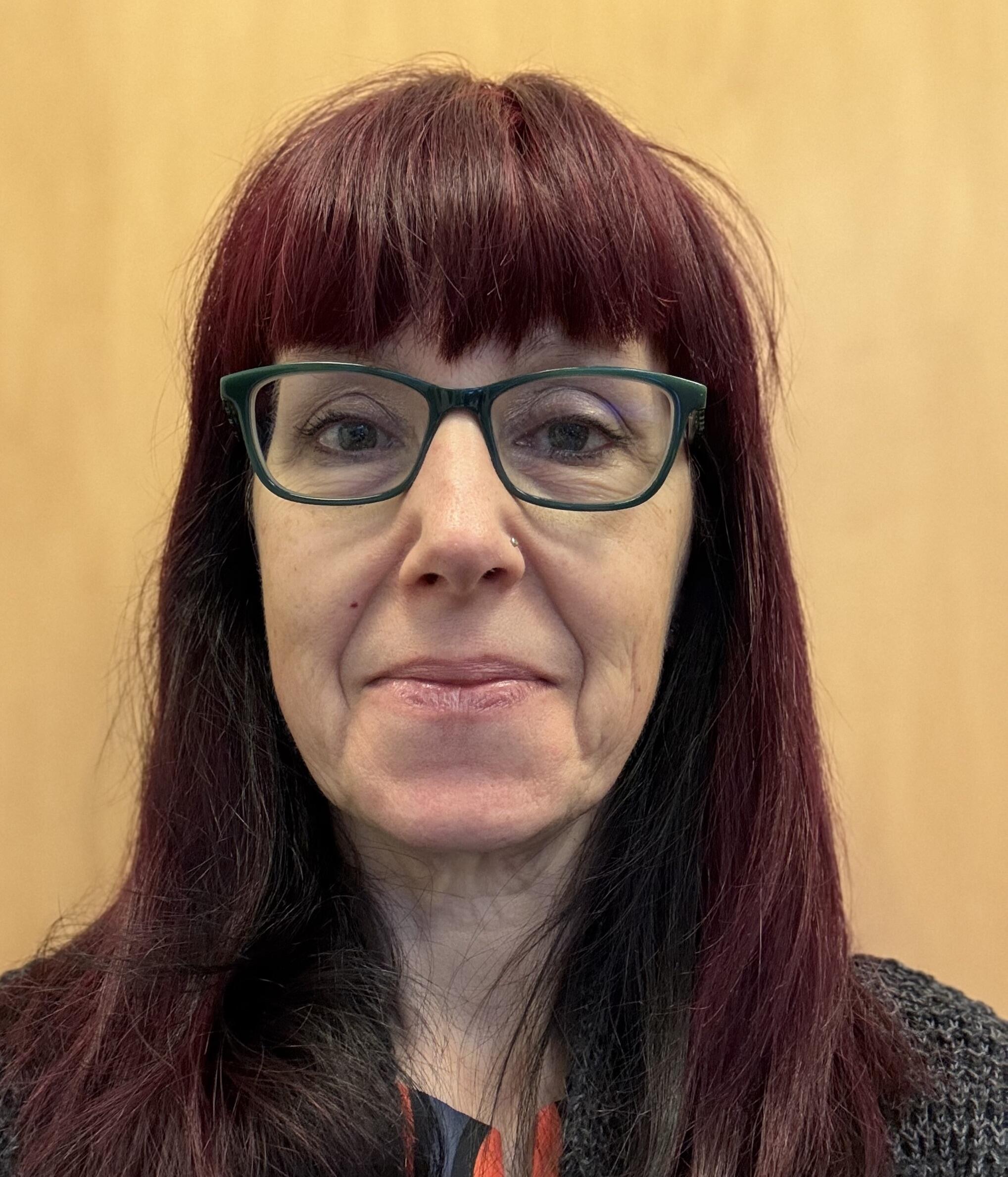
Liverpool School of Tropical Medicine (LSTM) has strengthened its work in this area with the appointment of Professor Tanya Parish as Professor of Global Health Therapeutics. A microbiologist with more than two decades of experience in TB drug discovery, Professor Parish joins LSTM from Seattle, where she has spent much of her career leading research focused on identifying new treatments for the disease.
Her scientific journey began in the UK during her PhD at the National Institute for Medical Research, now part of the Francis Crick Institute. It was here that she first began working with mycobacteria, the group of bacteria that includes Mycobacterium tuberculosis.
She said: “I started my PhD working on mycobacteria and that’s really where I got hooked. As a microbiologist I find microorganisms fascinating in general, but mycobacteria are particularly interesting and challenging organisms.”
After completing a postdoctoral position at the London School of Hygiene & Tropical Medicine, Professor Parish joined Queen Mary University of London as faculty. In 2007 she moved to Seattle, where she led the drug discovery group at the Infectious Disease Research Institute before continuing her research at Seattle Children’s Research Institute. Throughout her career, the global burden of TB has remained a powerful motivation for her work.
“Once you start working on Mycobacterium tuberculosis, you realise just how significant the global health problem is,” she explained. “Many people think TB has gone away, but it never really did. In recent years it has even become worse again, partly because of disruptions caused by COVID.”
For Professor Parish, TB drug discovery sits at the intersection of fundamental microbiology and real-world global health impact.
“TB drug discovery fits into a really interesting space where microbiology, global health and solving human problems all come together. Once you start working on it, it’s very hard to step away because you feel like the science can genuinely make a difference.”
At LSTM, Professor Parish will continue to focus on TB drug discovery while expanding the scope of her research to include other important pathogens.
“My main focus will still be TB drug discovery,” she said. “But we’ve also worked on other mycobacteria and pathogens in the past, and I’m interested in broadening that work. There are other globally important infectious diseases where similar approaches to drug discovery could have an impact.”
Alongside this applied work, she will continue exploring the basic biology of TB, research that helps scientists understand how the bacteria survive and identify new targets for potential therapies.
Her decision to join LSTM was strongly influenced by the alignment between her research and the institution’s global mission.
“I’ve spent much of my career working in the global health space, and LSTM has a very clear focus on tackling major global health challenges,” she said. “Being part of an organisation with that mission creates strong synergies and really strengthens the impact of the work.”
The role itself also resonated strongly with her research interests.
“When I first saw the position advertised as Professor of Global Health Therapeutics, I remember thinking that it described exactly what I do. That alignment between the role, the institution’s mission and my own values was really important.”
The global scientific community recently marked International Women’s Day, and Professor Parish is keen to encourage more young women to consider careers in science.
“Do it,” she said. “Science is an incredibly rewarding career, both intellectually and personally. You have the opportunity to be at the forefront of new knowledge and to explore questions that haven’t yet been answered.”
For her, the greatest satisfaction comes from the process of discovery itself.
“Scientists tend to think about the world in a slightly different way. We’re constantly questioning things and trying to understand how they work. Being able to investigate fundamental questions and discover the answers is incredibly motivating.”
Throughout her career she has also been inspired and supported by many colleagues, including clinical virologist Professor Judy Breuer and TB researcher Professor Valerie Mizrahi at the University of Cape Town.
“There are many women in science who have been inspiring to me over the years,” she said. “I’ve been very fortunate to work with and learn from so many talented researchers.”
Looking ahead, Professor Parish believes meaningful progress for women in science will be reflected in greater diversity across the research workforce, particularly in senior roles.
“Ideally the people working in science at all levels, especially senior positions, should reflect the diversity of the wider population,” she said. “That kind of diversity strengthens science as a whole because it brings different perspectives and experiences into the research community.”
For now, her focus is firmly on the scientific challenges ahead. With TB continuing to affect millions of people worldwide, the search for new treatments remains urgent.